
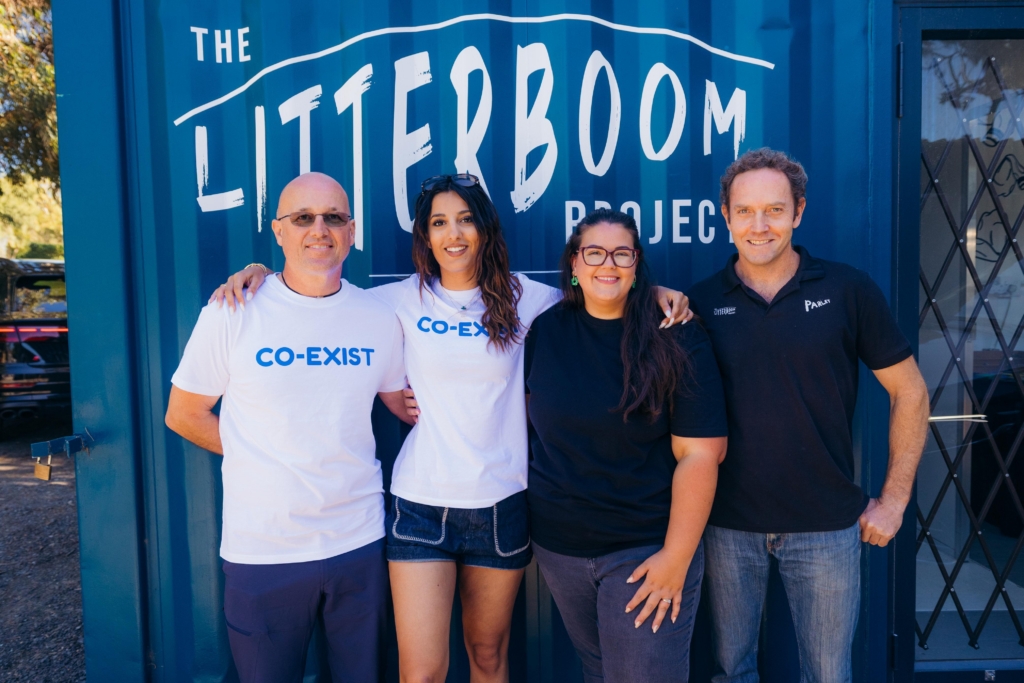
Strengthening the Litterboom Project Through Fundraising Support
Donors supporting The Litterboom Project will soon be able to see exactly where their contribution goes, down to the volume of plastic intercepted and the communities it reaches.
That transparency is the result of a new partnership between Co-exist Projects and the South African non-profit, which will use the ImpactIQ platform to connect supporters directly to measurable environmental outcomes.
Through this partnership, donors will have clarity, especially at a time when plastic pollution continues to threaten rivers, coastlines and marine ecosystems across the world. An estimated 11 million tonnes enter the ocean every year, and the consequences are felt most acutely in coastal communities, where livelihoods, food security and biodiversity are closely tied to the health of surrounding waters.
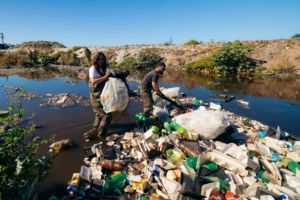
This is the exact problem that The Litterboom Project addresses at the source through intercepting plastic waste at river mouths before it reaches the ocean. Operating across South Africa, the organisation combines low-cost barrier technology with local employment, creating a model that tackles pollution while generating income for the communities involved.
“We’re delighted to be partnering with Co-Exist Projects to connect more people and organisations with meaningful, measurable environmental impact,” said Cameron Service, CEO of The Litterboom Project.
“As a proudly South African non-profit organisation, TLP is committed to protecting the natural environments that sustain our communities and support our country’s extraordinary biodiversity. This collaboration empowers supporters to directly fund plastic interception with complete transparency, knowing exactly where their contribution is making a difference. Partnerships like this are vital to driving lasting environmental change, and we’re excited to work alongside the Co-Exist Projects team to prevent even more plastic from reaching the Atlantic and Indian Oceans. Together, we’re demonstrating how local action can deliver global impact.”
The partnership reflects Co-Exist Projects’ broader approach to conservation support. Rather than duplicating existing work, it builds the infrastructure that allows organisations like The Litterboom Project to scale what they already do well, including fundraising strategy, donor engagement and reporting systems that free up conservation teams to remain focused on delivering practical environmental impact on the ground.
By strengthening The Litterboom Project’s ability to build sustainable, long-term financial support, the collaboration is intended to extend the project’s reach along South Africa’s coastline and deepen its impact in the communities it serves.
Co-exist Projects looks forward to supporting the continued growth of the project and the positive impact it delivers for communities and the marine environment.
